
"dry method"
20000 article(s) found

Introduction to the different Flavor treatment of Coffee Bean washing and Solar Honey
Coffee bean washing sun honey treatment different flavor treatment method introduces the process of this method is the simplest. The fruit begins the process of sun drying without treatment after picking. This is the oldest method of treatment in existence. This method is still used in places such as Ethiopia and Brazil. Natural solarization is most common in areas where water resources are scarce. The drying process usually lasts.

Coffee Common sense Coffee processing methods and Flavor advantages and disadvantages of Coffee beans
The coffee beans we are familiar with are all cooked coffee beans, that is, roasted coffee beans. Different roasting processes can add different flavors to coffee beans. Perhaps few coffee lovers know the processing methods of raw coffee beans. Today, the editor will explain the processing methods and flavor advantages and disadvantages of raw coffee beans. The coffee fruit after harvest must be put into the processing program immediately, otherwise it will open.

Processing methods of Coffee beans in Coffee Encyclopedia
1. The processing method chosen by the processing method has a significant impact on the final price and quality of coffee. The first step in processing coffee beans is to dry them. There are two specific methods, the most whole-family processing method is called drying, which is used for unwashed coffee beans to produce lower-grade coffee beans, while the higher-quality coffee beans are processed by wet treatment, which is used for

What difference does wet planing honey have to go to flesh insolation? What's the way to treat coffee?
Yesterday we talked about sun treatment and water washing. Today we will take a look at the treatments between sun treatment and water washing: wet shaving, half-sun treatment, pulp sun treatment and honey treatment. What are these treatments? What's the difference between them? Let's first look at the structure of coffee cherries. A coffee fruit is large from the outside to the inside.

History of coffee beans the birth of coffee beans 2
Coffee bean processing when the hard bean farmers, will be ripe bright red coffee "cherry" pick down, coffee beans magical adventure will be launched. To convert a coffee fruit into a raw coffee bean, the peel and pulp of the coffee fruit need to be removed, leaving seeds or beans, and drying. This refining process usually has two main processing methods: washing (wet method) and drying.
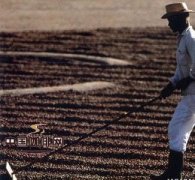
Drying is the most traditional method of processing coffee beans
Drying is used on unwashed coffee beans. Wet processing is used on thoroughly washed or semi-washed coffee beans. Most arabica beans are processed wet, except for drying, which is more common in brazil and ethiopia. In Indonesia, some Robert beans are wet processed, but this is not common locally. drying method

Coffee beans must be stored in a dry environment to explain coffee bean preservation skills (2)
Two methods of coffee bean production after harvest to the market before shipment to remove the skin, pulp, skin and silver. There are two methods: drying (also known as natural method or non-washing) and washing. Dry type: The method is relatively simple. First of all, the fruit will be just picked widely spread in the sun for a week or two, until the fruit issued a cracking sound so far, natural drying. After that, with

Treatment of coffee beans Coffee beans treated with honey
We know that the three treatment methods of raw coffee beans can be divided into three types. The distinction between each method is based on the fact that several layers of matter are removed from the fruit before the coffee is dried. The following is a list of the three major processing methods: 1. Natural sun treatment: retain all substances 2. Honey treatment: remove the peel and pulp and retain part or all of the mucous membrane (honey) 3. Washing method

A brief introduction to three processing methods of coffee beans what is the addition of washing to the flavor of coffee?
Professional coffee knowledge exchange more coffee bean information please follow the coffee workshop (Wechat official account cafe_style) Front Street-Coffee processing methods introduce the world's top gourmet coffee coffee processing methods are achieved through many different methods. These processing techniques can be divided into three categories: wet processing (washing), dry processing (natural, sun-dried), and honey processing. Farmers choose the most suitable for them.

The sun drying method of coffee beans what are the requirements for the weather and climate of coffee?
Coffee drying method: how should coffee beans be dried? what should coffee beans do to the sun? how should coffee beans be dried in order to make a good coffee bean? first of all, the sunken beans identified in the sink, that is, ripe or half-ripe beans are naturally dried in the bean drying farm. The specific time depends on the local climatic conditions, which usually takes two to four weeks. When the moisture content of coffee beans decreases
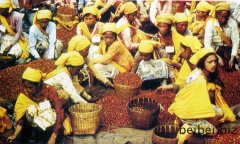
Coffee beans after harvest processing methods Coffee common sense
After the harvest: Coffee berries must be processed immediately after harvest to prevent fermentation and decay of the pulp. Coffee beans are processed in two ways, wet and dry. Drying method drying method is also called natural method. Spread the coffee berries out in the sun to dry. In the plantation, 50 square meters of coffee berries are spread on each hectare, or
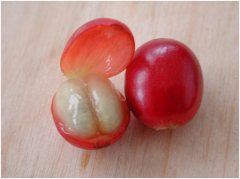
Processing methods of high-quality coffee beans
There are a pair of oval seeds in the center of the fruit of the coffee tree, which are covered with exocarp, endocarp and pulp. Ripe fruit will rot in a short period of time without treatment, so the purpose of refining is to enable coffee beans to be preserved for a long time, easy to store and circulate. Figure (1) Coffee fruit Coffee fresh fruit should be dealt with immediately after being harvested. Refining is to remove the peel and pulp of coffee fruit

The difference between washed Coffee and Sun-cured Coffee; introduction to the characteristics of taste and quality
The difference between washed coffee and sun-cured coffee flavor description taste quality characteristics introduction 1. The process of natural solarization (Natural/Dried-in-the-Fruit) is the simplest. The fruit begins the process of sun drying without treatment after picking. This is the oldest method of treatment in existence. This method is still used in places such as Ethiopia and Brazil. Natural day

Introduction to the production mode and production method of coffee beans
The coffee beans are treated after harvest, otherwise they will begin to ferment, making the coffee beans smell bad. The main methods of treatment are drying and washing, which will cause different flavors. Dry beans have complete natural mellow taste, gentle aroma and more gum, while water washing type has good mellow taste, high aroma and lively sour taste, which is also concentrated.

The new method of coffee treatment-how is the raisin treatment [double fermented honey treatment] handled?
For the exchange of professional baristas, please follow the coffee workshop (Wechat official account cafe_style). First of all, let's know how to make raisins. Drying methods: 1, direct exposure of selenium in the sun to make brown raisins; 2, drying in the shade room; 3, rapid drying method, the grapes are first treated with dehydrating agent, and then dried in the shade room or dried in a dryer, which is greatly shortened.

Coffee and bean washing method taste semi-washing method step flavor description manor treatment plant introduction
Coffee bean washing method taste semi-water washing step flavor description manor treatment plant introduction drying: after washing, at this time, the coffee bean is still wrapped in the pericarp, the moisture content is up to 50%, must be dried, the moisture content is reduced to 12%, otherwise it will continue to ferment, mildew and rot. The better treatment is to use sunlight to dry, although it takes 1 to 3 weeks, but the flavor is excellent and the phase is excellent.

What are the post-processing methods of coffee? What are the ways of drying in the sun?
Professional coffee knowledge exchange more information about coffee beans Please pay attention to the coffee workshop (Wechat official account cafe_style) tanning (Natural Process) is the oldest and most primitive treatment of coffee beans. The method of treatment is to first pour the harvested coffee fruit into a large trough, the ripe and full fruit will sink to the bottom of the water, while the underdeveloped or overripe fruit will surface.

Coffee bean washing method | Coffee bean treatment method washing in the sun _ coffee bean semi-washing
When you buy coffee beans, you can always hear words such as washing in the sun, half-washing in the sun, half-day honey treatment and so on. Let's talk today about the difference between washing and sun-drying beans. What effect does it have on the flavor of coffee beans? The coffee beans after harvest must enter the treatment program immediately, otherwise they will begin to ferment.

Coffee bean treatment method Honey treatment method introduction what kind of coffee bean is more suitable to use honey treatment method
Tanning has long existed in Ethiopia and Yemen. It doesn't waste much water and electricity, but it takes a lot of time and manpower to separate unripe beans from defective beans. After the coffee is picked, immediately go into the drying ground to dry. The process takes up to a month, and it must be carefully observed and constantly flipped to prevent
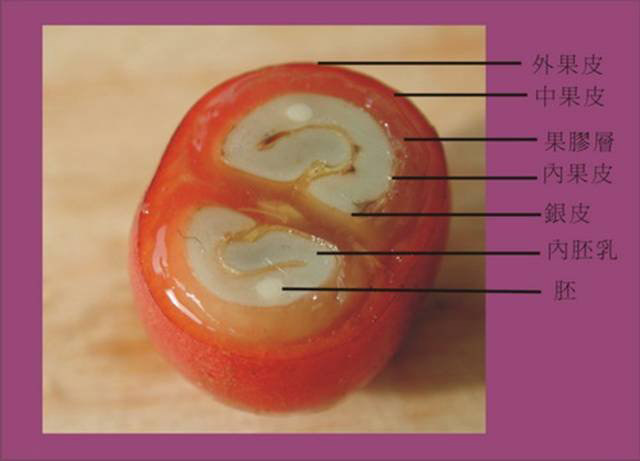
The treatment method of high-quality coffee beans-details of coffee refining method
There are a pair of oval seeds in the center of the fruit of the coffee tree, which are covered with exocarp, endocarp and pulp. Ripe fruit will rot in a short period of time without treatment, so the purpose of refining is to enable coffee beans to be preserved for a long time, easy to store and circulate. Figure (1) Coffee fruit Coffee fresh fruit should be dealt with immediately after being harvested. Refining is to remove the peel and pulp of coffee fruit